Catch the risk
before it airs.
CineRisk audits scripts scene-by-scene for cultural, legal, brand, and factual risk. Five specialist agents run in parallel, every flag traceable to an actual news story, lawsuit, or documented controversy.
Scripts ship. Then the lawsuits do.
A joke that reads as a slur. A character close enough to be sued over. A plot lifted from someone else's work. These aren't hypotheticals: they're documented lawsuits, settlements, and backlash, usually caught only after release. CineRisk catches them before, and backs every finding with a real, citable source.

The Siege (1998)
A Bruce Willis/Denzel Washington thriller depicting Arab-Americans rounded into detention camps drew organized protests from CAIR and the ADC over its terrorist stereotyping, before it even opened.

Aladdin (1992)
Disney's opening lyric, "they cut off your ear if they don't like your face, it's barbaric," drew a formal ADC objection and was rewritten for the home-video release, though advocacy groups called the fix inadequate.
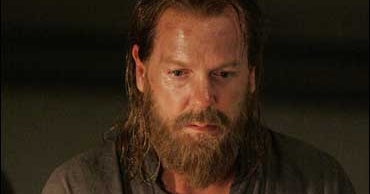
24 (2005)
After CAIR raised concerns over a Muslim family written as a terrorist sleeper cell, Fox agreed to air a Kiefer Sutherland PSA distancing the show's villains from real Muslims.

The Queen's Gambit (2020)
A single line calling real chess champion Nona Gaprindashvili the only woman who'd "never faced men" was false by the show's own 1968 setting. She sued Netflix for defamation, a judge ruled fiction isn't immune, and the case settled.
Inventing Anna (2022)
The real journalist Rachel DeLoache Williams sued Netflix, saying the series turned her into a "greedy, disloyal, opportunistic" character for dramatic effect. The suit survived dismissal and ran nearly four years before settling.

The Terminator (1984)
James Cameron's screenplay echoed two Harlan Ellison stories closely enough that Ellison sued. The studio settled out of court, paying Ellison and adding a screen credit that still runs on every release since.
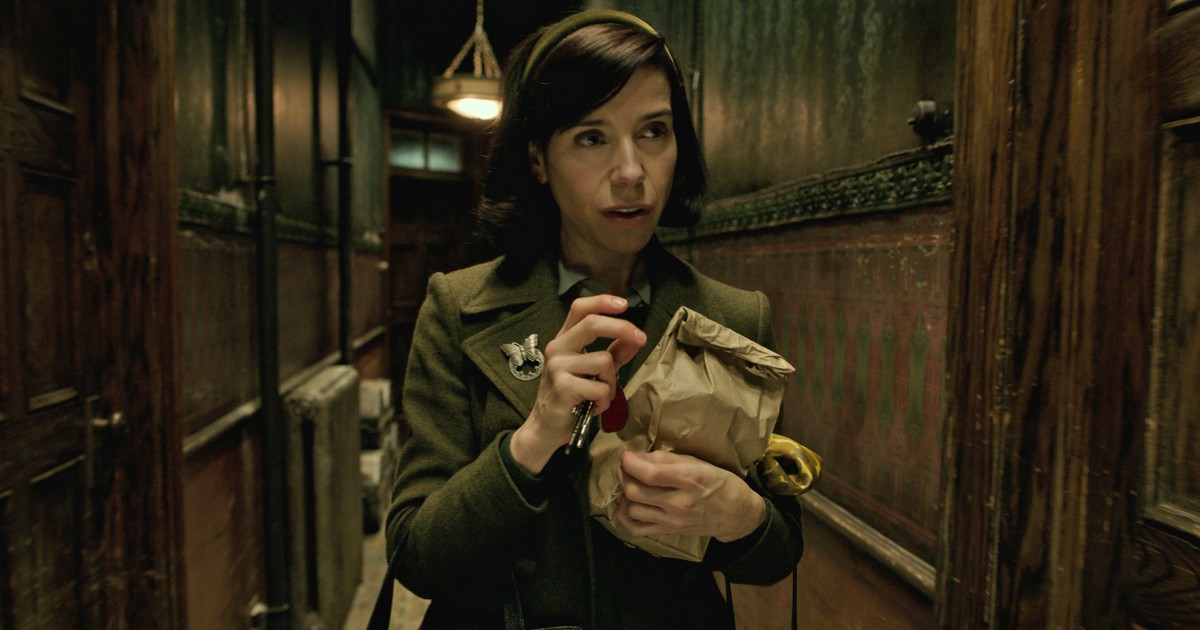
The Shape of Water (2017)
Guillermo del Toro's Best Picture winner was accused by a Pulitzer-winning playwright's estate of lifting its premise from a 1969 play. The claim was ultimately dropped and acknowledged as unfounded.
The Hangover Part II (2011)
Louis Vuitton sued Warner Bros. over a knockoff-bag joke, arguing the film implied the brand endorsed a counterfeit. A federal judge dismissed the suit, but not before the studio had to litigate a punchline.
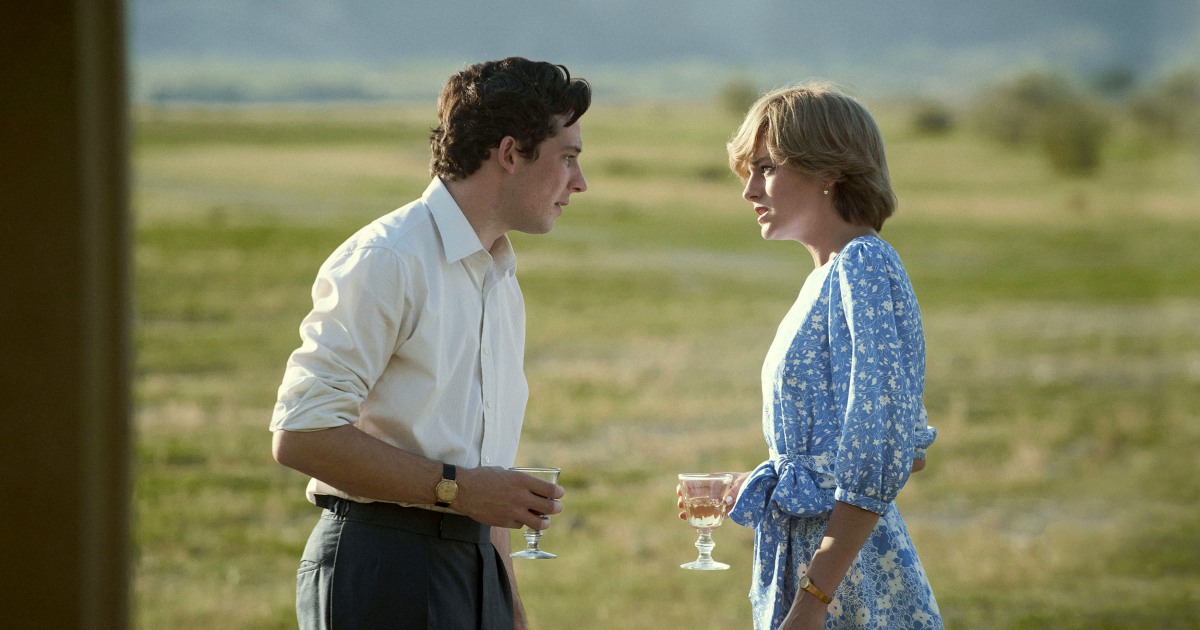
The Crown (2016-2023)
Netflix's royal drama drew a UK government call for an on-screen fiction disclaimer, and public criticism from Judi Dench, over how freely it blurred real events with invented scenes.
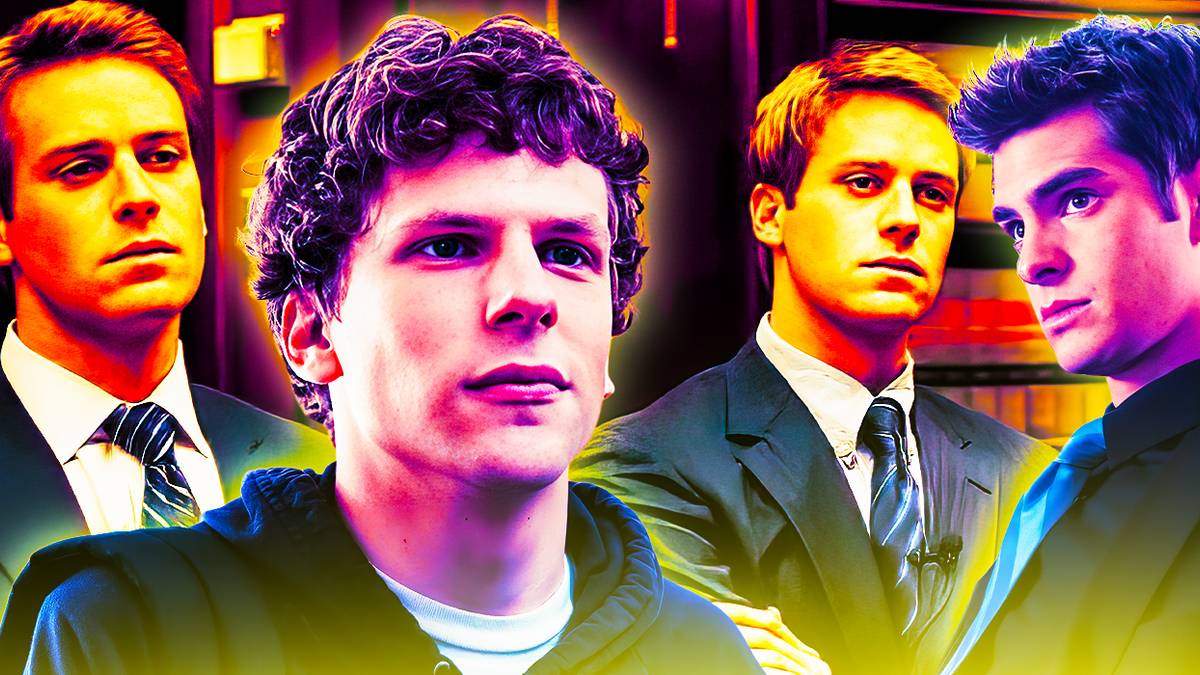
The Social Network (2010)
Aaron Sorkin's script compressed timelines and invented dialogue and motives for Zuckerberg and the Winklevoss twins. Zuckerberg has repeatedly said the finished film misrepresents him.
The Siege (1998)
A Bruce Willis/Denzel Washington thriller depicting Arab-Americans rounded into detention camps drew organized protests from CAIR and the ADC over its terrorist stereotyping, before it even opened.
Aladdin (1992)
Disney's opening lyric, "they cut off your ear if they don't like your face, it's barbaric," drew a formal ADC objection and was rewritten for the home-video release, though advocacy groups called the fix inadequate.
24 (2005)
After CAIR raised concerns over a Muslim family written as a terrorist sleeper cell, Fox agreed to air a Kiefer Sutherland PSA distancing the show's villains from real Muslims.
The Queen's Gambit (2020)
A single line calling real chess champion Nona Gaprindashvili the only woman who'd "never faced men" was false by the show's own 1968 setting. She sued Netflix for defamation, a judge ruled fiction isn't immune, and the case settled.
Inventing Anna (2022)
The real journalist Rachel DeLoache Williams sued Netflix, saying the series turned her into a "greedy, disloyal, opportunistic" character for dramatic effect. The suit survived dismissal and ran nearly four years before settling.
The Terminator (1984)
James Cameron's screenplay echoed two Harlan Ellison stories closely enough that Ellison sued. The studio settled out of court, paying Ellison and adding a screen credit that still runs on every release since.
The Shape of Water (2017)
Guillermo del Toro's Best Picture winner was accused by a Pulitzer-winning playwright's estate of lifting its premise from a 1969 play. The claim was ultimately dropped and acknowledged as unfounded.
The Hangover Part II (2011)
Louis Vuitton sued Warner Bros. over a knockoff-bag joke, arguing the film implied the brand endorsed a counterfeit. A federal judge dismissed the suit, but not before the studio had to litigate a punchline.
The Crown (2016-2023)
Netflix's royal drama drew a UK government call for an on-screen fiction disclaimer, and public criticism from Judi Dench, over how freely it blurred real events with invented scenes.
The Social Network (2010)
Aaron Sorkin's script compressed timelines and invented dialogue and motives for Zuckerberg and the Winklevoss twins. Zuckerberg has repeatedly said the finished film misrepresents him.
The Siege (1998)
A Bruce Willis/Denzel Washington thriller depicting Arab-Americans rounded into detention camps drew organized protests from CAIR and the ADC over its terrorist stereotyping, before it even opened.
Aladdin (1992)
Disney's opening lyric, "they cut off your ear if they don't like your face, it's barbaric," drew a formal ADC objection and was rewritten for the home-video release, though advocacy groups called the fix inadequate.
24 (2005)
After CAIR raised concerns over a Muslim family written as a terrorist sleeper cell, Fox agreed to air a Kiefer Sutherland PSA distancing the show's villains from real Muslims.
The Queen's Gambit (2020)
A single line calling real chess champion Nona Gaprindashvili the only woman who'd "never faced men" was false by the show's own 1968 setting. She sued Netflix for defamation, a judge ruled fiction isn't immune, and the case settled.
Inventing Anna (2022)
The real journalist Rachel DeLoache Williams sued Netflix, saying the series turned her into a "greedy, disloyal, opportunistic" character for dramatic effect. The suit survived dismissal and ran nearly four years before settling.
The Terminator (1984)
James Cameron's screenplay echoed two Harlan Ellison stories closely enough that Ellison sued. The studio settled out of court, paying Ellison and adding a screen credit that still runs on every release since.
The Shape of Water (2017)
Guillermo del Toro's Best Picture winner was accused by a Pulitzer-winning playwright's estate of lifting its premise from a 1969 play. The claim was ultimately dropped and acknowledged as unfounded.
The Hangover Part II (2011)
Louis Vuitton sued Warner Bros. over a knockoff-bag joke, arguing the film implied the brand endorsed a counterfeit. A federal judge dismissed the suit, but not before the studio had to litigate a punchline.
The Crown (2016-2023)
Netflix's royal drama drew a UK government call for an on-screen fiction disclaimer, and public criticism from Judi Dench, over how freely it blurred real events with invented scenes.
The Social Network (2010)
Aaron Sorkin's script compressed timelines and invented dialogue and motives for Zuckerberg and the Winklevoss twins. Zuckerberg has repeatedly said the finished film misrepresents him.
The bill arrives after release.
These are not projections. They are settlements actually paid, an amount sued for, and a campaign withdrawn, each one linked to the original reporting. Two of these figures were retrieved by Parallel during a real CineRisk audit run.
$787.5M
Fox News to Dominion Voting Systems2023
One defamation case over on-air claims about a named voting technology company. Settled on the morning the trial was due to begin.
PBS NewsHourpbs.orgSettlement paid$67M
Newsmax to Dominion Voting Systems2025
A second broadcaster, the same set of false claims about the same company, settled two years after the first.
The New York Timesnytimes.comAmount sued for$170M
Fiona Harvey v. Netflix, Baby Reindeer2024
A defamation suit turning on the words "this is a true story" on screen. A judge found the series was wrongly billed as one.
The Hollywood Reporterhollywoodreporter.comPulled from air24 hrs
Pepsi, the Kendall Jenner protest ad2017
Months of production and a global media buy, withdrawn with an apology roughly a day after release.
The Guardiantheguardian.comTwo of those four are settlements, and between them $854.5 million actually changed hands over claims about a single company. The third is an amount sued for, not awarded, and it is labelled that way on purpose. In every case the precedent existed in public reporting before the script did.
How a run works
One supervisor routes each scene to only the specialists it actually needs. The five run concurrently; the aggregator waits for every branch, including the ones that fail, before compiling anything.
How grounding actually works
Every flag goes through the same three steps, and each one leaves a record. That record is what the report shows you: the query, the results, and the verifier's reasoning.
Identify
Gemini reads one scene and proposes suspected risks as structured output, never a verdict, and an empty list is a valid answer. Each suspicion ships with a search query written to find a real precedent.
Retrieve
That exact query hits Parallel's Search API. The query and the number of results returned are recorded on the flag itself, so an unconfirmed finding can still prove the pipeline actually looked.
Verify
A second pass sees only the real retrieved results and must cite sources by index, so it is structurally unable to invent a title or URL. If nothing genuinely matches, the flag is downgraded, not published.
Parallel Search API
Grounding retrieval
POST /v1/search, one query per suspected risk. Returns real URLs, titles, and page excerpts, the only material a flag is ever allowed to cite.
Parallel Task API
Deep verification with Basis
Opt-in escalation for high-severity flags the fast path can't ground. Returns per-field citations, reasoning, and calibrated confidence instead of a model grading its own work.
Gemini Enterprise Agent Platform
Google Cloud Agent Runtime
The supervisor graph is packaged as a LanggraphAgent targeting Vertex AI's managed Agent Runtime, the platform integration itself, not a backend that merely calls an LLM API. The same compiled graph also runs in-process for local iteration.
Gemini 2.5 Flash
Vertex AI structured output
Two constrained passes per unit: identification, then grounding verification, both schema-bound, never free prose.
LangGraph
Multi-agent orchestration
Supervisor fans out to five specialists concurrently; a barrier join holds the aggregator until every branch returns, including failures.
Neon Postgres
Report + audit trail
Every flag persists with its query, result count, verifier reasoning, and grounding method. The receipts outlive the run.
Upstash Redis
Live status + search cache
Per-agent state streamed to the run view as it happens, and overlapping specialist queries served from cache instead of re-billed.
No source, no flag.
Every risk finding ships with a real title, URL, and excerpt. When no grounding source can be found, the finding is shown as an unconfirmed suspicion, never presented as fact.